
The popular saying is ‘college is the best years of your life,’ yet behind the highlight reels is the dark reality that suicide is among the leading causes of death for college students.
The stigma around mental health only leads to suffering in silence, but normalizing counseling can save lives.
The 2024-25 Health Minds Study found that only 38% of college students have positive mental health. The study includes data from over 84,000 undergraduate and graduate students at 135 colleges and universities, collected between September 2024 and May 2025. The responses show students are struggling with depression, anxiety, eating disorders, loneliness and more.
Not only do these struggles impact academic performance and daily life, but sometimes they lead to suicide, which is one of the most common causes of death for college students. According to the American Foundation for Suicide Prevention, 24,000 college students attempt suicide every year, and 1,100 students do not survive their crisis.
In a time when students are learning to navigate adulthood by living away from home, balancing busy schedules and experiencing individual growth, they must have someone to guide them.
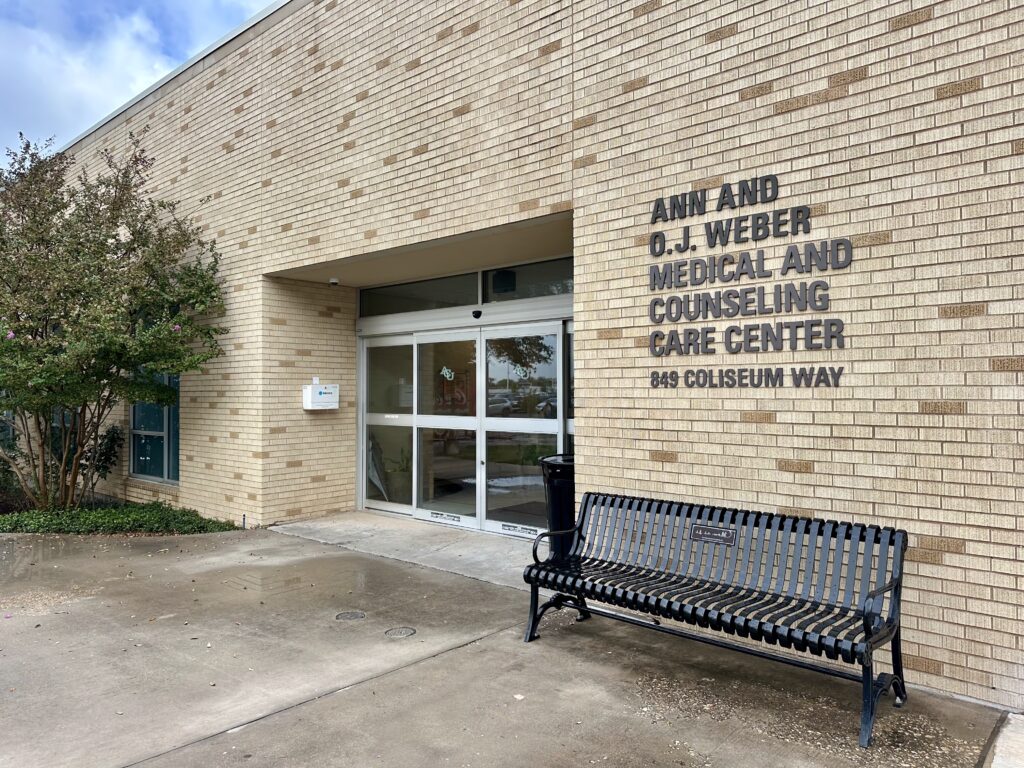
The university offers resources for students, such as the MACCC and SOAR. Both are opportunities for students to receive support and counseling at a cheaper rate. The MACCC consists of licensed professionals who offer:
- Individual counseling
- Group therapy
- Couples/family counseling
- Personal-social adjustment counseling
- Interpersonal relationships counseling
- Premarital counseling
- Seminars and workshops
- Relaxation room and massage chair
Through counseling, individuals can express their concerns and emotions to a professional who listens and helps them understand their situations, enabling them to manage them more effectively. One of the major benefits of having professionals on campus is that the counselors understand the ACU culture and community, as well as the challenges that college students face. It is like confiding in a friend, except the friend cannot legally share anything that is said during a session.
Hannah Davis, SOAR student support coordinator, said students still have a mix of perspectives when they approach counseling.
“Some students worry about being judged or seen as weak,” Davis said. “Others come from families or cultures where mental health isn’t talked about or supported, so counseling feels unfamiliar or uncomfortable. Sometimes it’s just the fear of opening up and not knowing where to start. And practically speaking, things like time, cost, or just being busy can make it easy to put off getting help.”
Counseling is not just for people in crisis; it’s for everyone, such as the out-of-state student struggling with being away from home, the student dealing with roommate conflict or the senior anxious about life post graduation.
Once students overcome the stigma, they can experience the benefits of having a safe environment to open up and work through their emotions. Some of those benefits include emotional regulation, judgment-free support and crisis prevention.
“It gives them a space to pause and process without feeling like they have to hold everything together,” Davis said. “It helps them name what they’re feeling and figure out where it’s coming from, which can lead to better coping strategies, healthier relationships, and more focus in class. I think one of the biggest benefits is that counseling reminds students that they’re not alone, that what they’re feeling is valid, and that growth is possible even in hard seasons.”
Giving students the space to process their emotions and the guidance for navigating adulthood creates an overall healthier campus environment. But improving the community’s attitude toward counseling starts with enhancing the individual attitude.
“When students talk honestly about what they’re going through, it gives others permission to do the same,” Davis said. “Checking in on friends, offering a listening ear, and being open about things like going to counseling can go a long way in breaking down stigma. Sometimes it’s as simple as saying, ‘Hey, I’ve been there too,’ or, ‘You don’t have to carry that alone.’”
Normalizing counseling is pivotal for making mental wellness just as important as academic success. Counseling is not a last resort but rather a resource that students should not be afraid to use.

Leave a Comment:
You must be logged in to post a comment.